
Chatea con Ava - Tu consultor de negocios IA

¡Hola, soy Ava, tu guía de IA para potenciar tu negocio!
Ya sea que dirijas una empresa o sueñes con iniciar una, estoy aquí para hacer realidad tu visión gracias a los freelancers que usan IA. Comparte los objetivos de tu negocio y juntos crearemos un proyecto en los que nuestros talentosos freelancers puedan ofertar. ¡Hagamos realidad tu visión!
Tengo un negocio
Estoy comenzando un negocio
Algo salió mal al enviar la conversación a tu correo electrónico. Por favor, intenta de nuevo más tarde.
Solo puedes guardar tu conversación una vez por hora. Por favor, intenta de nuevo más tarde.
Tu conversación es demasiado corta. Sigue chateando con Ava para poder guardar.

Contrata
Website Testers
expertos para cualquier trabajo
Millones de personas usan Freelancer.com para hacer realidad sus ideas.
Con la confianza de las principales marcas y startups


Contratar Website Testers


$17 por hora

$15 por hora

$25 por hora

$10 por hora
Los clientes califican nuestro Website Testers
4.88 de un total de 5
de 214.801 opiniones
Cómo contratar a un excelente freelancer Website Tester
Are you in need of someone to test your website or web application? Web testers are incredibly important to catch bugs in websites and web applications before they are released to and discovered by the general public.
Website design and management are important tasks must be performed regularly if you want to see users regularly return to your site. Do you have the time and the skills necessary to keep your website up to date? If not, consider hiring a freelancer.
Freelancer.com has a wide variety of website management freelancers available from around the world to meet your specific needs. Need experienced web coders to make sure all of your scripts are running properly? You can find the talent you need on Freelancer.com.
HTML and CSS experts are also available to make sure that your website or application is displaying properly across the wide variety of applications used to access websites. These experienced web testers will make sure that your website or application looks great regardless of the devices that it is viewed on.
So you think you’re ready to hire a website or web application tester? That’s awesome! But where should you start? That’s a great question! With so many ways to find great web tester on Freelancer, we’ll fill you in on some ways to find your next great hire on Freelancer.com!
Do you have a specific testing project in mind? Posting your project on Freelancer.com is a great place to start! Get your project out there and then watch experienced, qualified website testers pour in with their competitive proposals! Freelancer’s bid and proposal system helps you hire a talented website tester at a great value!
Have a specific kind of freelancer in mind? Forego the project posting process and find your freelancer of choice through our extensive freelancer directory. Search website manager by experience, reputation, geographical location and a nearly limitless list of other skills that might be pertinent to your web testing activities. The Freelancer Directory gives you the tools to research and find the perfect freelancer for your task. You can offer to hire them directly from their profile.
Still not sure which website manager to hire? Not a problem! Freelancer’s expert talent recruiters are available to work with you to find the very web expert for your project. Freelancer.com has identified the most talented and reliable web testers on our site and your personal recruiter will work to bring them to your project. Feel free to chat with your recruiter regarding the different project proposals and even receive their recommendation for your next hire. You can’t go wrong with these proven website testers!
What are you waiting for? Freelancer.com is the premier source for freelance website experts for hire on the web. Get your next website testing project off the ground today and begin to reap the benefits of having a fully functional website or application.
You’ve spent a mountain of time, energy and resources creating your website or application. Make sure everything is running smoothly and efficiently by hiring your next great website tester on Freelancer.com.

Freelancer Enterprise
¿Presupuesto de la empresa? Haz más por menos
Utiliza nuestra fuerza laboral de 50 millones para que tu negocio tenga más logros.

API de Freelancer
50 millones de profesionales a pedido
¿Por qué contratar personas cuando, en lugar de ello, simplemente puedes integrar nuestra talentosa fuerza laboral en la nube?
Cómo funciona contratar a un Website Tester

1. Publicar un trabajo

2. Elegir freelancers

3. Monitorear el avance

4. Pagar de manera segura
¿Qué estás esperando?
Publica hoy un proyecto y recibe ofertas de freelancers talentosos
Trabajo destacado de nuestros freelancers
Recibe algo de inspiración de proyectos de Website Testing

Descubre más
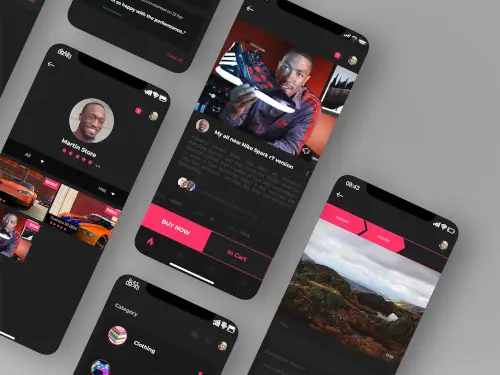
Diseño de sitio web.
USD 540 en 7 días.
Descubre más
Diseño de app.
USD 100 en 1 día.

Descubre más
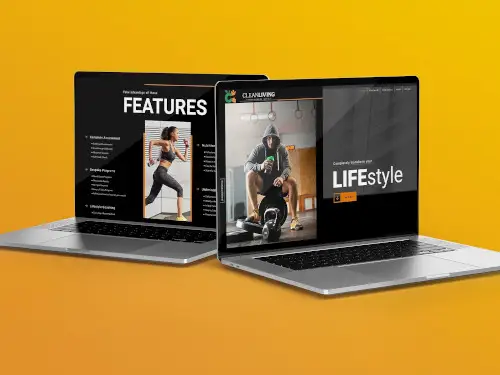
Sitio web.
USD 430 en 1 día.
Descubre más
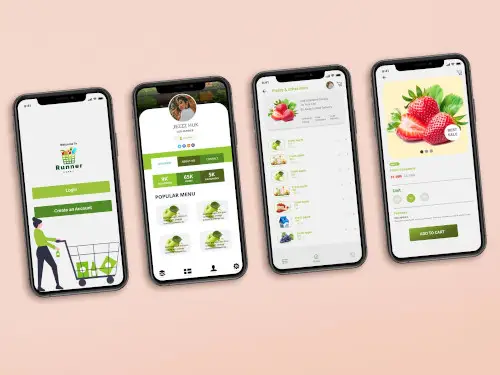
Diseño de sitio web.
USD 140 en 13 días.
Descubre más
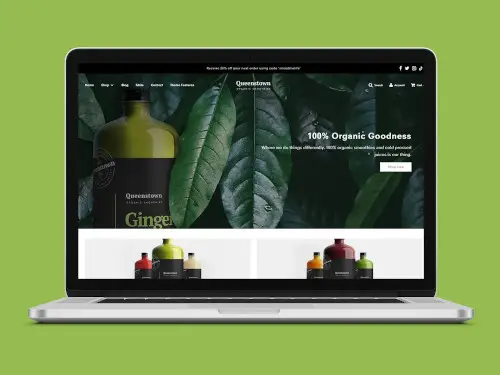
Diseño de app.
USD 200 en 19 días.
Descubre más
Sitio web.
USD 150 en 13 días.

Descubre más
Sitio web.
USD 240 en 1 día.
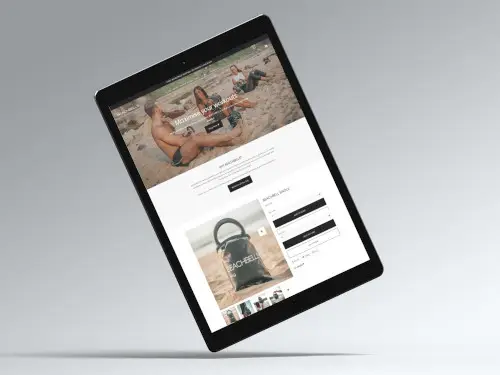
Descubre más
Sitio web.
USD 100 en 1 día.
Como aparece en


El mercado más grande del mundo
Millones de usuarios de pequeñas a grandes empresas, empresarios a startups, utilizan Freelancer para hacer realidad sus ideas
73.3 millones
73.3 millones
Usuarios registrados
23.7 millones
23.7 millones
Total de trabajos publicados
¿Buscas freelancers para otros tipos de trabajo?
¡Gracias! Te hemos enviado un enlace para reclamar tu crédito gratuito.
Algo salió mal al enviar tu correo electrónico. Por favor, intenta de nuevo.



Falló el copiado al portapapeles. Intenta de nuevo después de ajustar tus permisos.
Copiado al portapapeles.
Cargando visualización previa
Permiso concedido para Geolocalización.
Tu sesión de acceso ha expirado y has sido desconectado. Por favor, inica sesión nuevamente.